
Short answer: Effective motorcycle accident lawyer website design starts from one fact riders already know: insurers, jurors and even some lawyers assume the biker was at fault. The site has to show that the firm understands riding, answer helmet law and fault questions honestly, and look like it belongs in the riding community rather than borrowing its imagery. Authenticity does more work here than polish.
A rider who has gone down is rarely shopping for a generic injury firm. Many have heard stories from friends in their club about adjusters who treated the crash as self inflicted, or about a lawyer who never asked what bike they were on. When they land on a site that opens with a sedan in a ditch and a slogan about “all accidents,” they leave. The site has to pass a test that most injury sites never face: does this firm actually get it?
The bias problem the site has to confront
Motorcycle claims carry a reputation problem that car crash claims do not. Riders are often stereotyped as reckless, and that stereotype can shape how an adjuster values a claim and how a jury hears the facts. Drivers who turn left across a rider’s path frequently say they never saw the motorcycle, and that explanation can be received sympathetically even when it describes a failure to look.
Your website should name this openly. A short section that says, in effect, “we know how these cases get framed, and here is how we push back” tells a rider that you have seen the pattern. Describe the kinds of evidence that counter the reckless rider story in general terms: scene photos, damage patterns on the bike, helmet camera footage, witness statements, the rider’s training history and gear. You are not promising outcomes. You are showing that the firm thinks about the case the way a rider fears no one will.
This is also where the tone of the whole site gets set. Avoid copy that apologizes for riders or treats riding as a risky hobby the client should have known better than to pursue. Equally, avoid copy that sounds like a beer commercial. The target is respect: riders are adults who made a lawful choice, and someone else’s carelessness hurt them.
Rider attorneys and the authenticity test
If an attorney at the firm rides, that is one of the most persuasive facts you can put on the site, and it belongs on both the practice page and the attorney’s bio. Be specific and honest. What do they ride, how long have they been riding, do they commute or tour, have they taken advanced training? A photo of the attorney with their own bike, taken on a real road, carries more weight than any badge.
If nobody at the firm rides, do not pretend. Riders spot fakery fast, and a borrowed bike in a staged photo can do real damage if a prospective client asks a follow up question at the consultation. Model Rule 7.1 prohibits false or misleading communications about a lawyer’s services, and implying personal riding experience that does not exist is the kind of statement that could mislead. Instead, show understanding through substance: pages that explain how lane position, road surface hazards and visibility factor into a crash, written accurately enough that a rider nods along.
Our guide to the attorney bio page explains how to write that personal paragraph so it supports the work rather than distracting from it. For a motorcycle practice, the riding detail is often the most important line on the page.
Answering helmet law questions without overreaching
Helmet questions are among the most common searches riders make after a crash, and they come loaded with worry. “Can I still sue if I wasn’t wearing a helmet” is a question riders ask because they fear the answer. Helmet laws vary considerably between states, some apply only to certain age groups or license types, and states differ on whether and how helmet use can be raised as an argument about the rider’s own share of fault or about the extent of injuries.
Build a dedicated page that addresses this for your state, reviewed by an attorney, written without hedging so heavy that it says nothing. Explain the general rule in your jurisdiction, the difference between whether a helmet was legally required and whether its absence affected the injuries, and the reason a rider without a helmet should still talk to a lawyer. Do not state that a claim is unaffected by helmet use, because in some situations it may be raised. Say that the answer depends on the injuries and the law in your state, and invite them to ask.
The same approach suits related questions riders search: lane splitting, riding with a passenger, riding without a motorcycle endorsement, and riding a borrowed bike. Each can be a short page or a section on a larger “rider questions” page. These are exactly the queries a generic injury site never answers, and they bring in the visitors most likely to call.
Imagery and design riders respect
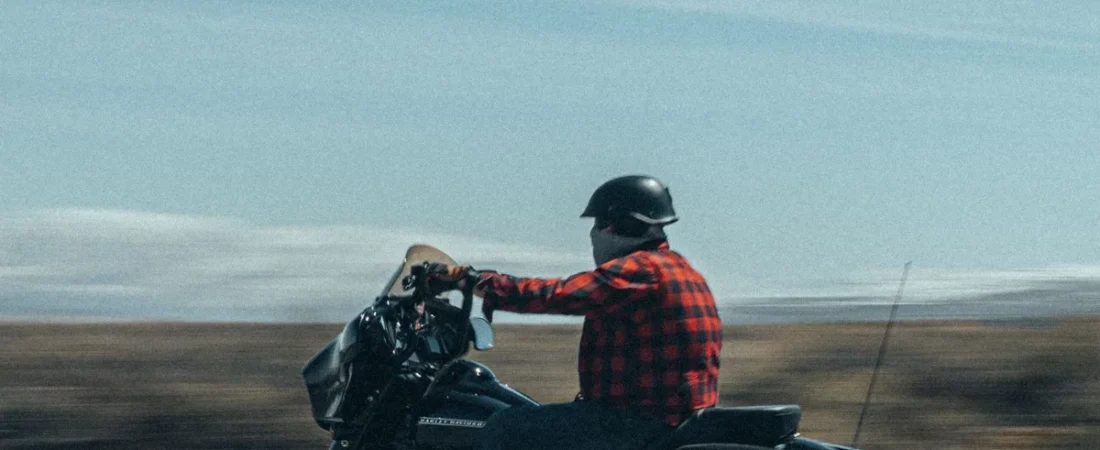
Riders notice details. A stock photo of a sport bike with a cruiser rider’s injuries described below it, a rider without gloves in a page about safety, or a staged crash that clearly involved no real bike will undermine trust before anyone reads a word. Use photographs of real motorcycles, in real places, ideally from your own community. If you commission photography, hire someone who rides or at least consult one.
Represent the range of people who ride. Commuters, touring couples, older riders on cruisers, newer riders on smaller bikes, and women riders, who are frequently missing from motorcycle law firm sites entirely. Showing them signals that the firm sees riders as people, not as a single stereotype.
Color and typography can carry personality without sliding into cliche. Bold type and strong contrast fit the subject; flames and skull graphics do not. Keep the design clean enough that an injured rider reading one handed in a hospital bed can find the phone number without effort, because that is a real situation for this audience.
Showing up in the riding community
Riders find lawyers through other riders more than through any search engine. That word of mouth begins offline, but the website is where it gets confirmed. When a club member mentions your name, the prospective client will look you up, and they want to see evidence that the recommendation is grounded in real involvement.
An events or community page can carry that evidence honestly. Charity rides the firm sponsors, safety courses it helps fund, rider awareness campaigns it supports, and club relationships it maintains. Keep it current. A community page last updated three summers ago tells visitors the involvement faded.
Be careful how that presence is framed. Sponsoring a ride is a community activity; using a club event to approach injured riders directly can run into the solicitation limits in Model Rule 7.3, which restricts live person to person contact with people who have not asked to hear from you. Paying club members to recommend the firm raises Rule 7.2 problems, since that rule generally prohibits giving anything of value for a recommendation. Rules on these points vary by state, so read our attorney advertising rules by state hub, and keep in mind that this is general information, not legal advice; your state bar’s rules govern.
Reviews from riders are especially persuasive to other riders. A review that mentions the bike, the club or the experience of being taken seriously as a rider tells the next visitor more than a generic five star line. Our guide to law firm client reviews on your website covers how to request and display them within the rules.
How the site should be organized
A motorcycle section needs more than one page, and its structure should follow the questions riders bring rather than the firm’s internal case codes.
| Page | Who it serves | What it must answer | Primary call to action |
|---|---|---|---|
| Main motorcycle accident page | Any injured rider or family member | Does this firm understand riders and handle cases like mine | Talk to a rider friendly attorney |
| Helmet and fault questions | Riders worried their own choices hurt the claim | How helmet law and shared fault work in this state, in general terms | Ask about your situation |
| Common crash types | Riders matching their crash to a pattern | Left turn crashes, rear end impacts, road hazards, dooring, lane changes | Describe what happened |
| Bike damage and gear | Riders dealing with property loss | How damaged motorcycles, custom parts and riding gear are handled | Get help with the property claim |
| Rider attorney bio | Riders who want proof of authenticity | Who rides, what they ride, how they work with clients | Contact that attorney directly |
| Community and events | Club members confirming a referral | What the firm actually does in the riding community | Meet the team at an event |
The property damage page is often overlooked. Riders care deeply about their bikes, and many have invested in custom parts and expensive gear. A page that shows the firm understands why a stock valuation of a modified motorcycle feels insulting will connect with readers in a way injury content alone does not.
Severe injury content belongs here too, because motorcycle crashes can cause catastrophic harm. Brain injury, spinal cord injury and amputation pages should be written with care and cross linked from the motorcycle section, since a family searching on behalf of a seriously hurt rider may arrive at those pages first. Keep the language factual and compassionate rather than graphic.
Where the competition for riders’ clicks comes from
The firms you compete with fall into a few groups. Large personal injury advertisers with a motorcycle page among dozens of others, often generic. A handful of firms that market themselves heavily as biker lawyers, sometimes with strong brand recognition at rallies and in club circles. And legal directories that list attorneys by practice area and city. Each has strengths, but generalist firms usually lack the rider specific detail, and directory pages cannot show personality.
The opening for a smaller firm is depth and honesty. Answer rider questions more specifically than a generalist bothers to, show real involvement, and let rider clients speak through reviews. Our overview of personal injury lawyer website design covers the broader injury section this practice sits within, and our car accident lawyer website design guide explains how to keep the two sections from competing for the same searches.
Frequently asked questions
Should a motorcycle practice have its own website or a section of the main injury site?
A strong section on the main site usually works better, because it benefits from the firm’s existing authority and reviews. A separate brand can make sense for firms that are genuinely rider focused, but it starts from nothing in search and needs its own sustained investment.
Can we say our attorneys are riders if only one of them rides?
Say exactly what is true. Name the attorney who rides and describe their riding on their own bio. Implying the whole firm rides when one person does could mislead readers, which is the concern Model Rule 7.1 addresses.
How should we handle the helmet question on the website?
Give it its own page, explain your state’s law in general terms, distinguish whether a helmet was required from whether its absence affected the injuries, and encourage riders without helmets to ask anyway. Avoid promising that helmet use will not matter.
What imagery should a motorcycle accident site avoid?
Staged crash photos, mismatched stock bikes, flames and skull graphics, and images that show unsafe riding habits. Use real motorcycles, real riders from your community and attorneys photographed with their own bikes where that is true.
Is sponsoring club events a good marketing investment?
It can be, as genuine community involvement that makes referrals more credible. Keep sponsorship separate from any direct approach to injured riders, and avoid giving club members anything of value for recommendations, since solicitation and referral rules apply.
The short version
Riders expect to be blamed, so the site must show that the firm understands that bias and knows how to answer it. Feature attorneys who genuinely ride, build honest helmet and fault pages for your state, use imagery riders would recognize as real, and document actual community involvement. Structure the section around rider questions, including bike damage and gear.
To see how your motorcycle pages compare with what riders find when they search in your area, run your site through our free website scan and we will show you where the gaps are.